
For young women, barriers often delay breast cancer detection and care
This story was published May 8, 2026 in The Courier-Journal.
By Sarah Gandluri
April 16, 2025
Youthcast Media Group®
When Meghan Schanie felt a lump in her breast at age 31, she was juggling a full-time job and two young toddlers. Cancer was the furthest thing from her mind. Her primary care doctors initially told her it was likely nothing - a blocked milk duct or an infection, which are common among young women who have recently been breastfeeding.
Because of her age and a lack of family history, cancer was not the first assumption. Weeks passed and appointments stacked up. Ultrasounds came back inconclusive. Only after persistent follow-up did Schanie receive a biopsy confirming breast cancer.
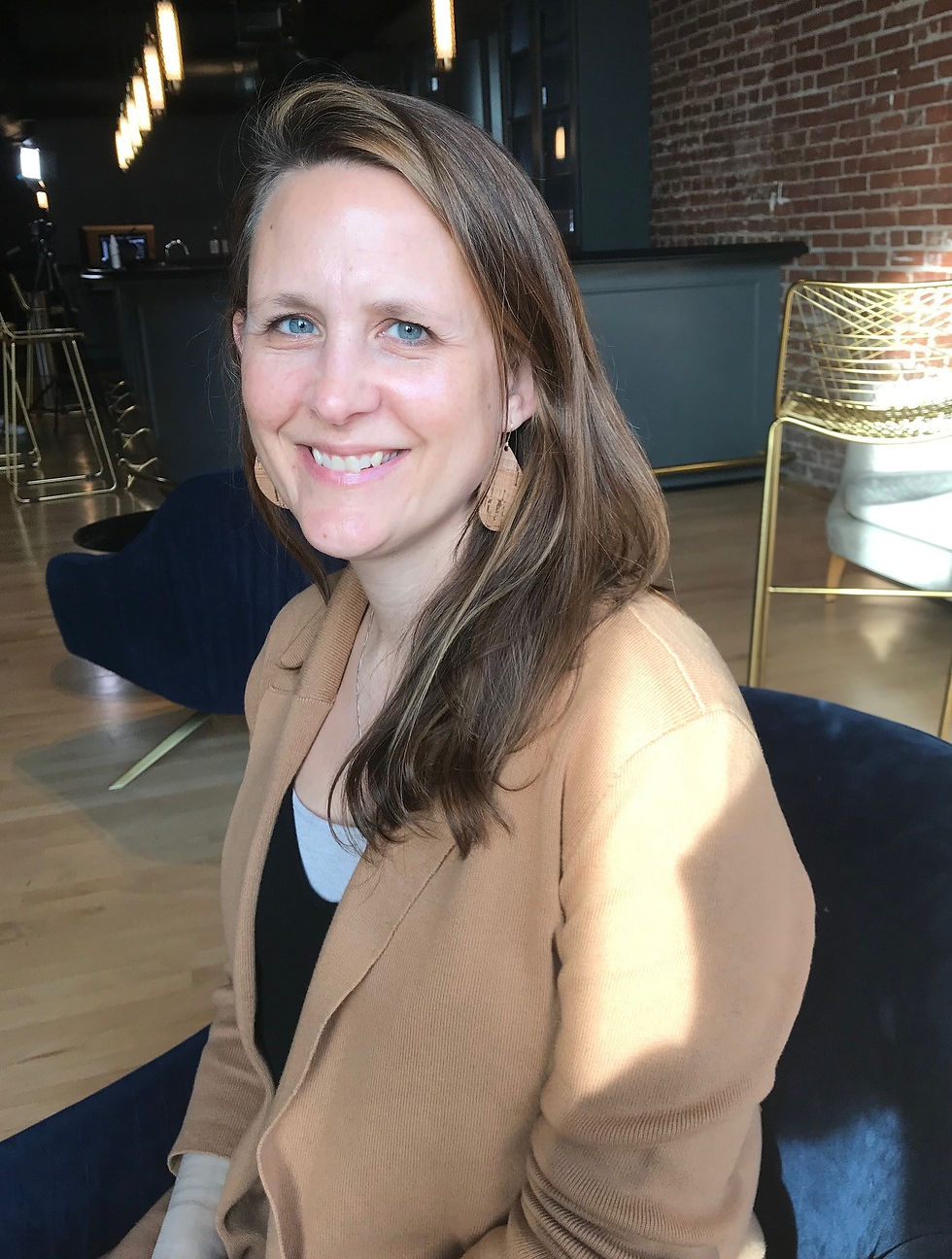
“I was too young to be having mammograms,” said Schanie, of Louisville, Kentucky. “If I hadn't gone in myself, who knows when they would have found it?”
Schanie, now 50, knows her experience is far from unique. While breast cancer is often seen as a disease of older women, thousands of younger women are diagnosed each year—many after delays caused by insurance barriers and unequal access to care.
“I had always kind of grown up being told that you should check monthly and those kinds of things and to pay attention to that kind of stuff,” she said. Schanie also noted that she didn’t think breast cancer education was a priority in schools or her community.
Oncologist and epidemiologist Otis Brawley said delayed diagnosis is often less about biology and more about social conditions. “Cancer doesn’t care how old you are,” he said. “But the healthcare system does.”
“All patients can do is be persistent and keep going back and keep complaining,” he said.
Brawley adds that Schanie, unfortunately, experienced the consequences of a healthcare system overwhelmed by lots of people who think they have a condition such as breast cancer but actually don't, so doctors get used to not diagnosing them and may overlook real cases.
Even Schanie, who came from a dual-income household, faced significant challenges with insurance coverage. She said her insurer initially denied covering a double mastectomy because of cost concerns.
“Ultimately, they did, but I had to push back for that,” she said.
According to Brawley, younger patients, especially those without good insurance coverage, are more likely to have symptoms dismissed or monitored instead of aggressively investigated.
“Sometimes people have insurance that will pay for the high-quality care, but they don't know how to access it and utilize it,” he said, pointing out another barrier to accessing proper care.
Screening guidelines, which typically begin mammograms at age 40 or later, leave younger women dependent on self-advocacy and physician judgment.

And Brawley said those judgments are not applied evenly.
Cancer outcomes differ sharply by income, insurance status and neighborhood. Patients with Medicaid or no insurance face longer wait times, fewer provider options, and, in some cases, no follow-up treatment at all.
“The biggest issue is that some hospitals are not willing to take Medicaid. They don’t want to take poor insurances,” because they can’t make a profit off of seeing patients insured by Medicaid, Brawley said.
In one of his early studies, Brawley found that 7%of Black women diagnosed with early-stage, curable breast cancer in Georgia received no treatment within two years of diagnosis, often because of systemic disincentives built into the healthcare system.
“Everyone talks about screening,” Brawley said. “Almost no one talks about whether people can actually get treated afterward.”
When low-income people do find treatment, it can sometimes be substandard.
“Hospitals that try to serve poor people and take Medicaid end up scrimping and cutting corners, and sometimes their patients are hurt because of it,” Brawley said.
These gaps are part of a broader pattern, according to Dr. Ben Miller, a national expert on health policy and social determinants of health. Miller argues that focusing only on medical care misses the structural forces that shape who gets diagnosed.
“Healthcare is not responsible for health,” Miller said. “Where you live, what you earn, whether you have insurance, those things matter more than most people want to admit.”
Brawley noted the importance of education in cancer outcomes, too. A college-educated American female’s risk of death from cancer is about 60 deaths per 100,000, he said. However, a high school graduate’s risk is double that - and even higher for those who don’t complete high school.
Education is directly linked to income, which Brawley identifies as another barrier to proper care.
Young women with limited financial stability are more likely to delay care, skip follow-ups or avoid appointments altogether out of fear of medical bills. Transportation, childcare, time off from work and insurance approval can all be barriers before a diagnosis is ever made.
For Schanie, employer-based insurance and hospital resources helped her navigate treatment.
“If you can't get a job, you can't get health care because you can't afford health insurance,” Miller explained. “If you can't get health insurance, you're not going to go see anybody when things hit the fan, and you actually need to have a provider take care of what might be going wrong. So you delay, or you show up in the emergency department, or you talk to a friend, whatever it is, and things get worse and worse.”
These disparities disproportionately affect younger women, women of color, and those with lower incomes; these are groups already underrepresented in cancer research and awareness campaigns.
“I have access to a car,” Schanie explained. “What if you don't have anybody to watch your kid? I also have a very flexible job, which a lot of people don't have.”
“I have patients who skip chemotherapy, skip radiation therapy, because they can’t get a ride,” Brawley said. “Social supports are a huge issue for poor patients in general.”
Brawley also noted that prevention and early intervention often depend on access to stable housing and consistent primary care, which are unevenly distributed across communities. And public policy choices have historically prioritized expensive medical treatment over investments in education, housing, and preventive care that could reduce late-stage diagnoses altogether, Miller said.
“The system asks the people with the least resources to do the most work just to survive,” Miller said, which is “not an accident. It’s structural.”
Now cancer-free, Schanie advocates for body awareness and self-trust, especially among women who are often told they are too young for serious illness.
“You know your body better than anyone,” she said. “If something feels wrong, don’t let it go.”
Sarah Gandluri is a Youthcast Media Group intern and a sophomore at the University of North Carolina at Chapel Hill, majoring in political science and global studies.
Comments