
Books on teens with mental illness help destigmatize and educate young people
Updated: Feb 15
This story was published Jan. 12, 2026 in MindSite News.
By Julissa Sanders
December 19, 2025
Youthcast Media Group®
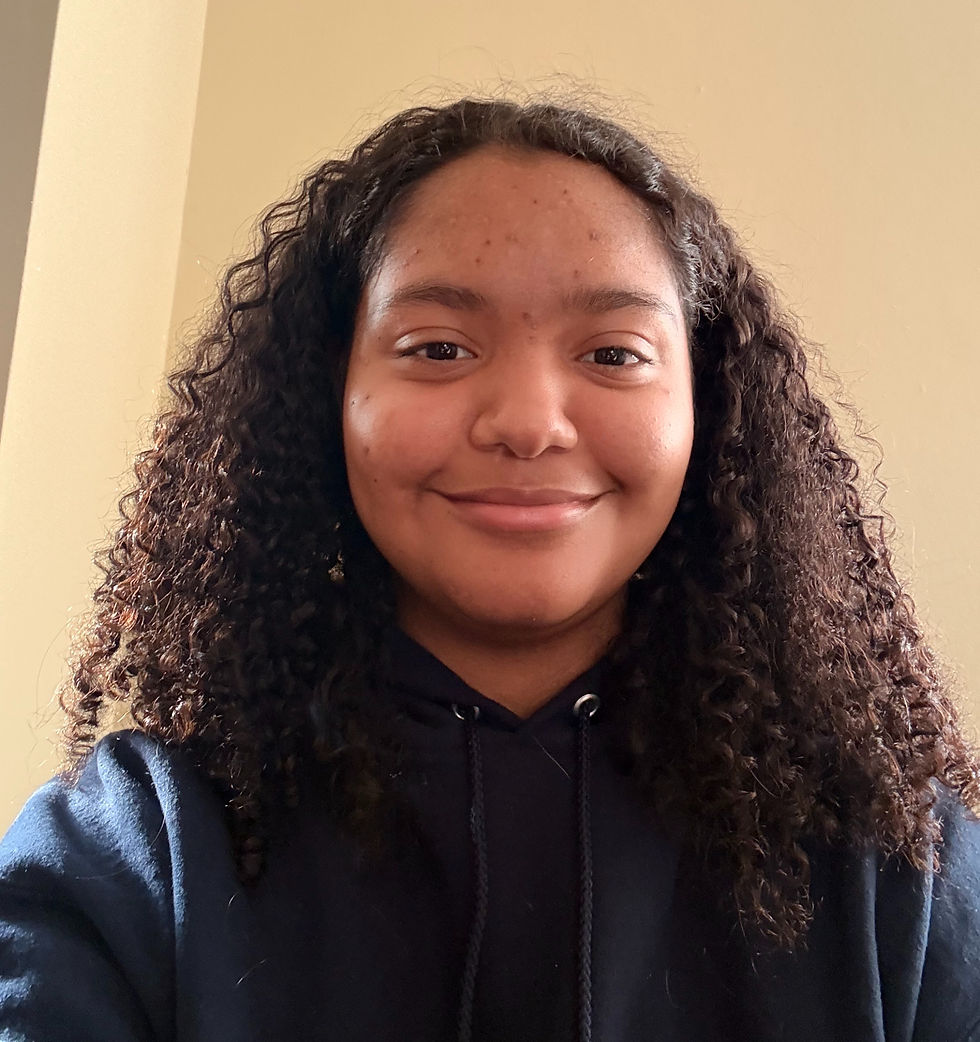
As a teen in high school, I find it very hard to talk about mental health issues. In my peer group, when it comes up, people often play it off or make jokes about it. But over the summer before my sophomore year, I discovered three books that helped me understand that mental illness comes in different varieties, and with different struggles for different people.
All three books were based on the authors’ own experiences with mental illness, whether in themselves or in their families. Susanna Kaysen’s memoir “Girl Interrupted” opened my eyes to borderline personality disorder (BPD). In “What About Will?,” Ellen Hopkins explores the painful relationship between mental illness and substance abuse, and in “Girl in Pieces,” Kathleen Glasgow shares a young girl’s journey from self-harm to self-acceptance.
The importance of a correct diagnosis
In her 1993 memoir “Girl Interrupted,” Kaysen records her experience in a women’s psychiatric ward in the 1960s when she was 18 years old. After an initial misdiagnosis, she was diagnosed with BPD, and writes about seeing the world through that lens, and the challenges it created for her.

Kaysen paints a vivid portrait of how treatment in those days was mainly medication and very little therapy, which made her feel like there was little they could do to help. “The only power they had was the power to dope us up,” she writes. I was struck by how little support and reaction she seemed to get from her family and her doctors.
Many teens, like me before reading this book, might not know a lot about BPD – a controversial diagnosis and a disorder that’s estimated to affect 1% of the population, more commonly among teens and young adults. Kaysen said that getting the right diagnosis not only gave her a sense of closure, but a better understanding of herself and her behaviors as a young adult. It made me reflect on how far behavioral health treatments have come in the last five decades. Shedding light on a mental illness or experiences that some teens might have is crucial, so other teens can relate and feel seen.
The danger of secrets in mental illness and addiction
In “What About Will?”, Ellen Hopkins shares the story of two brothers suddenly dealing with mental illness and addiction after the older one–Will–has a traumatic brain injury during a football game. The younger brother, Trace, watches Will, who he idolizes and adores, develop an addiction to pain medicine. Written in narrative-verse, Trace describes his brother’s addiction without judgment, but with confusion. Unaware of how to help his older brother, Trace keeps his secret. An important element in Will’s descent into addiction is his parents’ absence. The book makes clear they excuse his changing behavior, calling it “normal” teenage stuff, and not setting boundaries or being around to enforce them.

Trace witnesses his brother experience a drug overdose, and is terrified he’s going to lose him. Trace discovers his brother in time to save his life, and eventually gets him into rehab to receive the help he needs.
Based on her experience with her own daughter’s addiction to crystal meth, Ellen Hopkins’ story shows us that mental health struggles can be the root cause of drug addiction, and that drug addiction is ultimately an unhealthy coping method. But she also shows us that you can meet addiction with compassion, and that with the right resources, and less stigma around mental health issues, people might not fall into addiction in the first place, and can find their way out. I think a lot of youth can relate to Trace’s sense of being alone and trying to help his brother, and feeling like parents don’t understand or downplay their problems.
Trauma, Self harm and the road to recovery
Kathleen Glasgow’s book, “Girl In Pieces,” is based on her own experience with self-harm and depression. The protagonist, Charlie, suffers multiple traumas as a child, including her father’s death and a difficult relationship with her mother, who rejects her. Charlie runs away, and ends up living in a trap house– a place where people deal drugs. There, she experiences abuse, and begins cutting herself as a way to cope.

Self-injury is common among adolescents, and is believed to be increasing. An estimated 18% of adolescents worldwide engage in these types of behavior, called “non-suicidal self-injury,” which include cutting, burning and other forms of self-harm.
Charlie eventually ends up hospitalized when she takes her cutting too far, and is transferred to psychiatric care —only a possibility because her grandmother is able to pay. Charlie describes treatment as overwhelming and emotional; she hates sharing her personal life and her thoughts in therapy, is scared of people’s attempts to help her, and can’t open up.
Out in the world on her own once again, bearing her scars, she feels like everybody is against her. She struggles to get a job and falls into an abusive relationship. Finally, some coworkers intervene, and one of them takes Charlie to stay with her artist grandpa at his house out in the desert to get away and recover. During her time there, Charlie rediscovers her love for painting, and her own self-worth.
By the end of the book, Charlie decides to become the best version of herself, and gets rid of the people who aren’t adding to her life. Kathleen Glasglow shows how home life, economic struggles and social environments can severely affect mental health, especially if one's already struggling. The book really made me think about how teenagers can struggle to find a person they trust, and how friends and family —the people you thought you could count on —can be the ones to negatively impact your life.
“I said everything I had to say about what it feels like to self-harm and to be that person, and to feel that alone in the world,” Glasgow said in a 2024 interview with Indiana Public Radio. “I was just completely honest about what it’s like to do those things and feel those things because I didn’t have anyone telling me ‘that’s not appropriate’ or ‘you shouldn’t put that in a book.’”
From my perspective, it’s important to acknowledge that teens feel more emotion. In all these books, I was able to see how dealing with mental health issues is so hard when there is little to no support. But I also saw the different ways each protagonist tries to overcome their mental health struggles. It’s important for teens to read books that portray mental illness, so they can recognize the signs of someone —or themselves —struggling. Reading books like these can help gain knowledge on how to help someone, even if the person struggling is you.
Julissa Sanders is a sophomore at Annandale High School in Annandale, Va., one of Youthcast Media Group’s journalism class partners. She worked with YMG mentor-editor Hannah Gaber on this story.
Comments